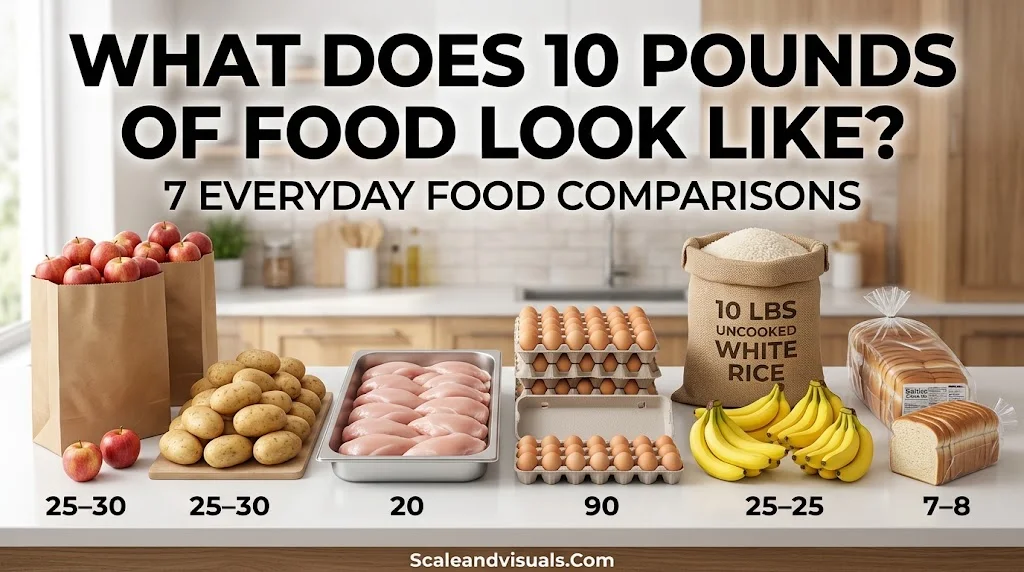
10 pounds of food equals 160 ounces, or about 4.5 kilograms. That is roughly 30 medium apples or one big bag of potatoes.
Numbers are hard to picture. So this guide shows what 10 pounds looks like in groceries you already know. You will also see what 10 pounds of weight loss looks like on the body, and why food weight and body weight are not the same thing.
Understanding food portions is one way to visualize weight, but comparing everyday objects and familiar spaces can make measurements even easier to understand. Explore more fascinating size, weight, and measurement comparisons with Scale and Visuals, where everyday measurements are brought to life through realistic examples.
Table of Contents
How Much Is 10 Pounds of Food?
10 pounds of food is 160 ounces, or about 4.5 kg. The math is easy, but the look changes a lot from one food to the next.
Quick conversion:
- 10 pounds = 160 ounces
- 10 pounds = about 4.54 kilograms (4,536 grams)
- 10 pounds of water = about 1.2 gallons
Weight and volume are not the same. Ten pounds of spinach would fill a laundry basket. Ten pounds of butter would fit in a small box.
That gap explains why nutrient-dense foods fill you up. Foods rich in water and fiber take up more room in your stomach for fewer calories. This effect is called satiety, and it is a core idea in the Dietary Guidelines for Americans.
Calories change a lot by food. Using USDA FoodData Central values, 10 pounds of raw leafy greens has about 1,000 calories. Ten pounds of potatoes has about 3,500. Ten pounds of butter has more than 32,000.
Food weight is also not body fat weight. The CDC and other health groups use a rule of thumb: about 3,500 calories equal 1 pound of body fat. So 10 pounds of fat loss needs roughly a 35,000-calorie deficit.
That rule is only an estimate. Your metabolism adapts as you lose weight. The NIH Body Weight Planner gives a more personal estimate.
Eating 10 pounds of food does not add 10 pounds of fat. Weight gain depends on the calorie surplus, not the weight of the food itself.
While 10 pounds of food may seem like a lot, heavier everyday objects can be even more surprising. To understand how dramatically weight can vary, explore these real-world comparisons of 200-pound objects and discover some unusual items that weigh far more than you might expect.
7 Realistic 10-Pound Food Portions Visualized
These 10-pound food portions come from everyday groceries. Counts are close estimates, since sizes vary.
- Apples (fruit): About 25 to 30 medium apples. Picture two full grocery bags. That is roughly 2,400 calories.

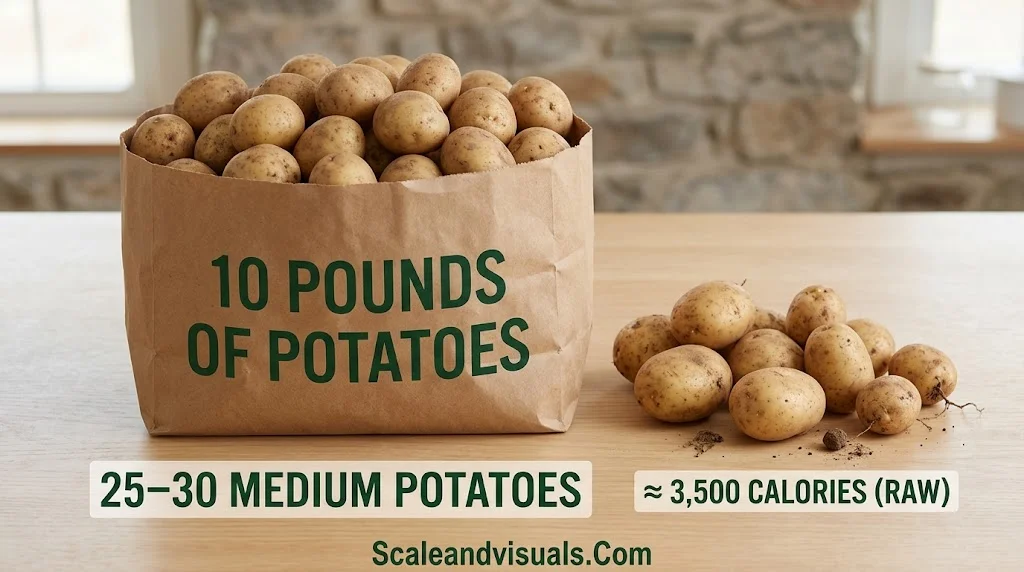
- Potatoes (vegetables): One standard 10-pound bag, or about 25 to 30 medium potatoes. That is roughly 3,500 calories raw.
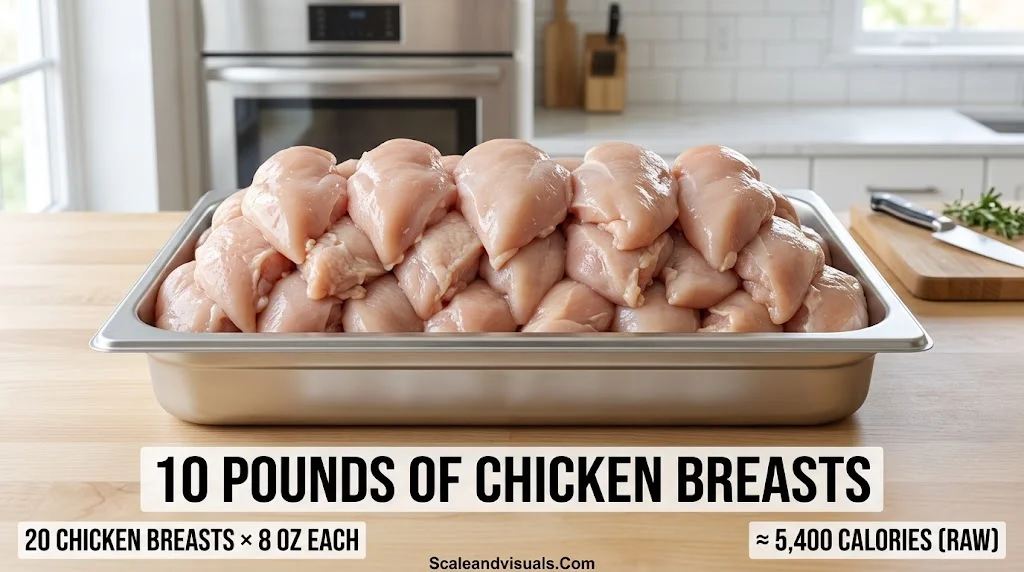
- Chicken breasts (lean protein): About 20 breasts at 8 ounces each. Think of a full tray at a family cookout. That is roughly 5,400 calories raw.
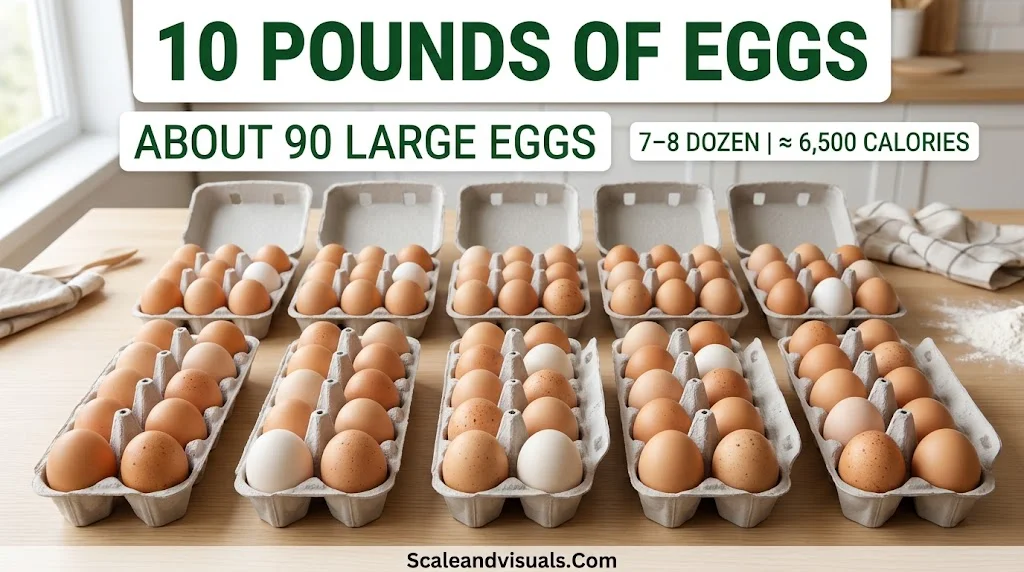
- Eggs: About 90 large eggs, or 7 to 8 dozen. That is roughly 6,500 calories.
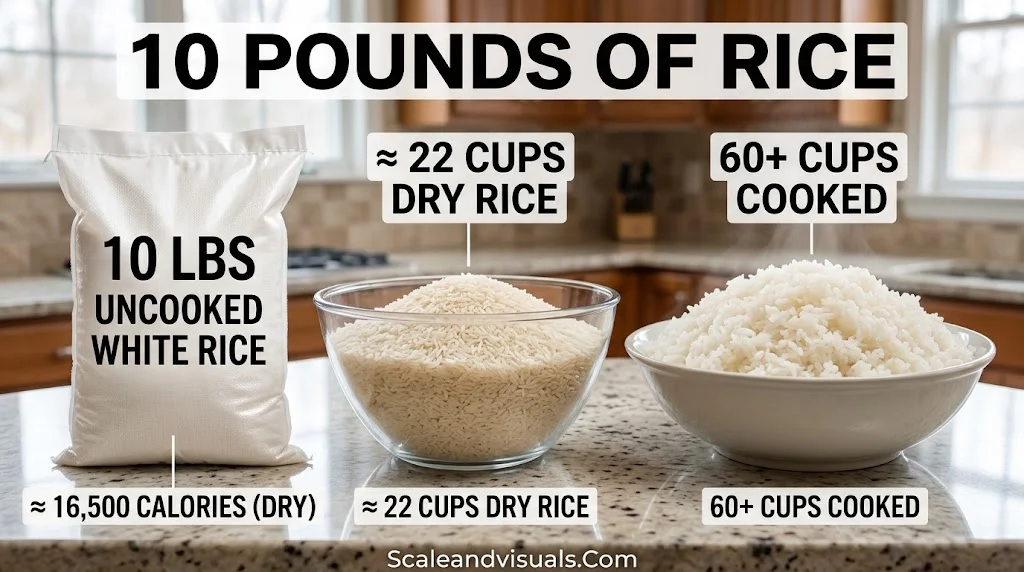
- Rice (whole grains): One 10-pound bag, or about 22 cups dry. It grows to over 60 cups once cooked. That is roughly 16,500 calories dry.
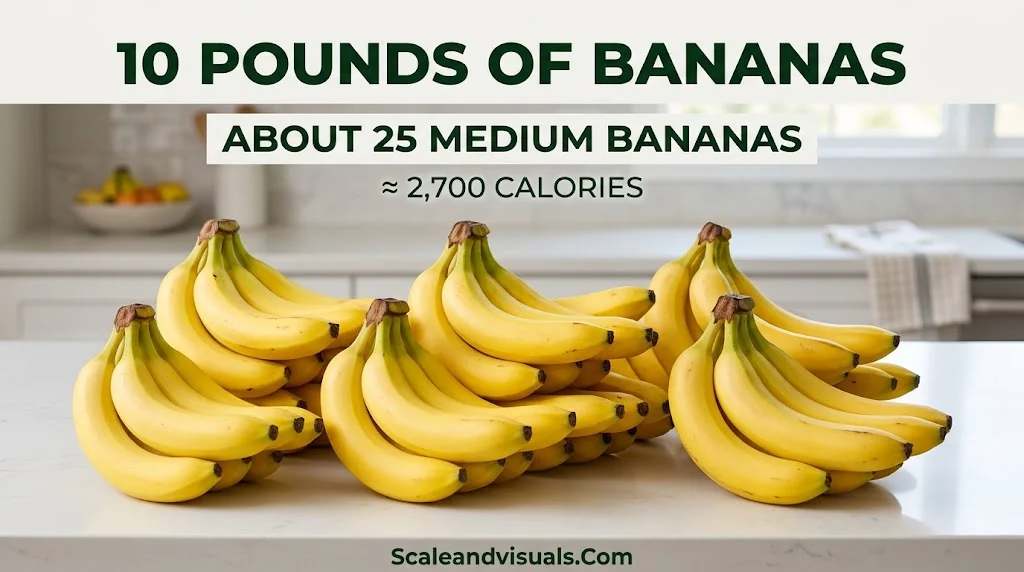
- Bananas: About 25 medium bananas with peels. A big bunch times five. That is roughly 2,700 calories.
- Bread: About 7 to 8 standard 20-ounce loaves. That is roughly 12,000 calories.
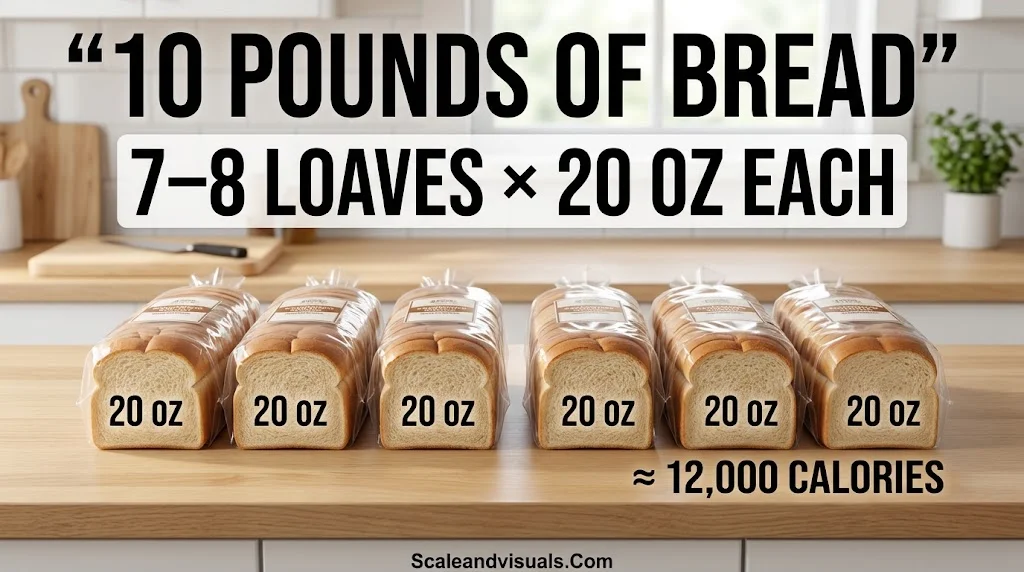
Same weight, very different calorie density. The range runs from about 1,000 calories for leafy greens to more than 30,000 for butter. This is why portion size and food choice matter more than the number on the scale.
What Does 10 Pounds look of Weight Loss Look Like?
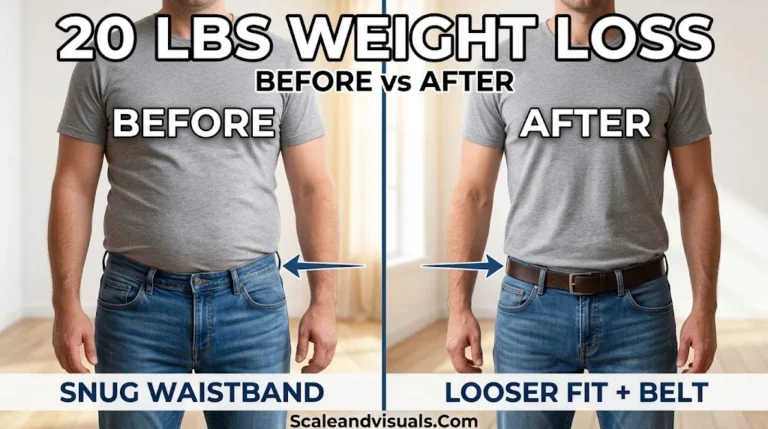
Losing 10 pounds looks different from carrying 10 pounds of groceries. It shows up first in your clothes, waist, and face.
Is a 10-pound weight loss noticeable? For many people, yes. Pants feel looser, and some people drop a clothing size. Height and starting weight matter. A shorter person often sees a bigger change than a taller one.
Fat takes up more space than muscle. Per pound, fat is about 18% bulkier. So 10 pounds of fat loss can look larger than the scale suggests, especially with strength training that protects lean mass.
It also helps your health. The CDC notes that losing 5 to 10% of your body weight can improve blood pressure and cholesterol. For a 200-pound adult, 10 pounds is 5%.
Pace matters. The CDC says people who lose about 1 to 2 pounds per week are more likely to keep the weight off. At that rate, 10 pounds takes about 5 to 10 weeks.
Simple, safe habits help:
- Build meals around nutrient-dense eating: vegetables, fruit, lean protein, whole grains, and healthy fats.
- Choose high-fiber foods to stay full longer.
- Get 150 minutes of moderate exercise each week, as the American College of Sports Medicine advises.
- Sleep at least 7 hours and manage stress. Poor sleep and high cortisol make fat loss harder.
Talk with a doctor before starting any new eating or exercise plan.
Body fat percentage for women adds useful context. These ranges follow the American Council on Exercise (ACE) chart:
| Category | Women |
|---|---|
| Essential fat | 10–13% |
| Athletes | 14–20% |
| Fitness | 21–24% |
| Average | 25–31% |
| Obese | 32% and above |
FAQs
Is it possible to eat 10 pounds of food?
Over several days, yes. In one sitting, it is very hard and unsafe. A typical stomach holds about 1 to 1.5 liters comfortably. Overeating at that scale can cause pain, nausea, and vomiting.
Is a 10 lbs weight loss noticeable?
Yes, for many people. Clothes fit looser, and the waist and face often look slimmer. How much you notice depends on your height, starting weight, and body composition.
How much is 10 pounds of food?
10 pounds of food is 160 ounces, or about 4.5 kilograms. In groceries, that is about 25 to 30 medium apples, a 10-pound bag of potatoes, or roughly 90 large eggs.
What is the lowest body fat a woman can have?
Essential fat for women is about 10 to 13%, based on the ACE chart. Going below that level can disrupt hormones and menstrual cycles, and it can lower bone density. Most women should not aim that low.
What is the average body fat for females?
The ACE chart lists 25 to 31% as the average range for women. Other charts show a healthy range of about 21 to 32% for women ages 20 to 39. The number rises slightly with age.
What is the most attractive body fat percentage for females?
There is no single number. Ideas of attractiveness vary by person and culture. A healthier goal is a range you can keep without harming your hormones, energy, or mood. For most women, that falls in the fitness and average ranges, about 21 to 31%.
Conclusion
10 pounds of food is 160 ounces, and it looks very different depending on the food. Ten pounds of greens fills a basket, while 10 pounds of butter fits in a box. Use these visuals to plan smarter portions and set realistic goals. Aim for steady progress of 1 to 2 pounds per week, and check with a healthcare professional first.

Abroy Usman is a passionate digital content creator and visual enthusiast dedicated to making complex ideas easier to understand through clear, engaging, and visually appealing content. As an author at Scale & Visuals, he focuses on sharing practical insights, creative ideas, and useful information designed to help readers learn, grow, and make better digital decisions.