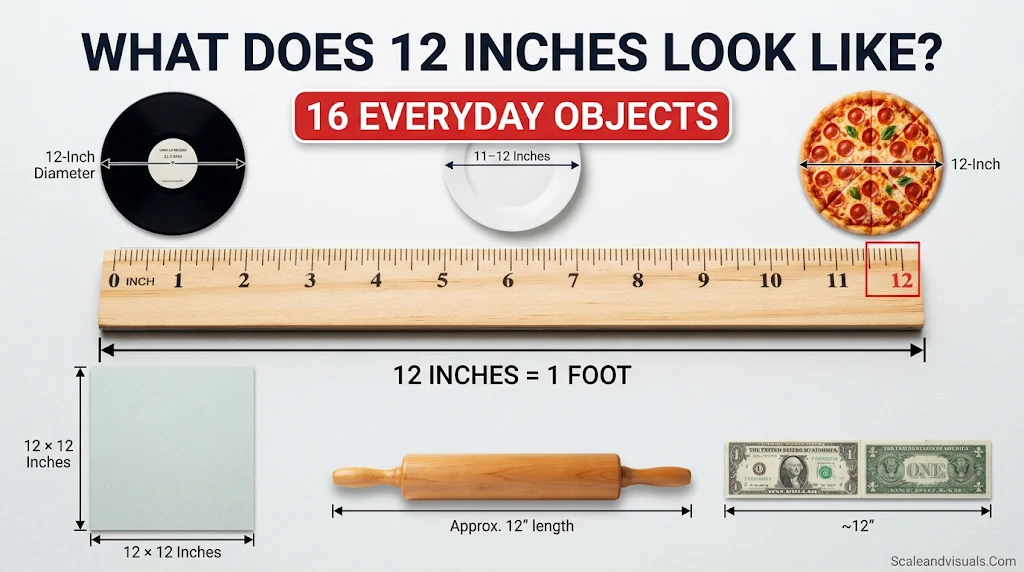
You know 12 inches is a foot. But can you picture it without a ruler? 12 inches equals 1 foot, or 30.48 cm. Below, you will see what 12 inches looks like in 16 things you likely own. You will also get simple tricks to spot a foot anywhere.
Understanding what 12 inches looks like becomes much easier when you compare familiar household objects and everyday measurements. Explore more practical size comparisons with Scale and Visuals to discover how different dimensions relate to the things you see and use every day.
Table of Contents
What Does 12 Inches Look Like ? Quick Answer
Here is the short answer first. Then we will look at the numbers behind it.
How long is 12 inches? 12 inches equals 1 foot, 30.48 centimeters, 304.8 millimeters, or 0.3048 meters.
| Unit | 12 Inches Equals |
|---|---|
| Feet | 1 ft |
| Yards | 0.33 yd (one-third of a yard) |
| Centimeters | 30.48 cm |
| Millimeters | 304.8 mm |
| Meters | 0.3048 m |
Since 1959, the international foot has been exactly 0.3048 meters. On January 1, 2023, the U.S. survey foot was retired. Now one foot means the same thing in every use, according to NIST. To convert inches to cm, multiply by 2.54. So 12 × 2.54 = 30.48 cm. Half of 12 inches is 6 inches. Double it and you get 24 inches, or 2 feet. Many people guess too short, because a full foot is longer than it feels in your head.
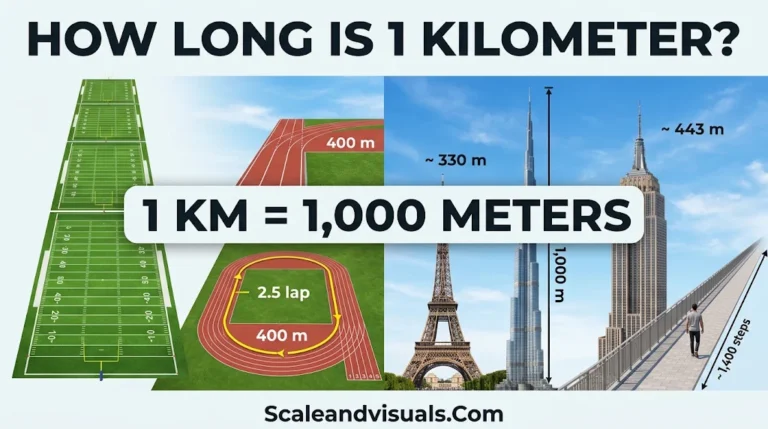
Just as everyday objects help you visualize 12 inches, familiar real-world distances can make larger measurements easier to understand. You can build on this understanding by exploring how far one kilometer stretches in real-life comparisons, from familiar landmarks to everyday journeys.
16 Things You Own That Show What 12 Inches Looks Like
Most of these items sit in your home right now. Some are exact. Others are close, and each one is marked.
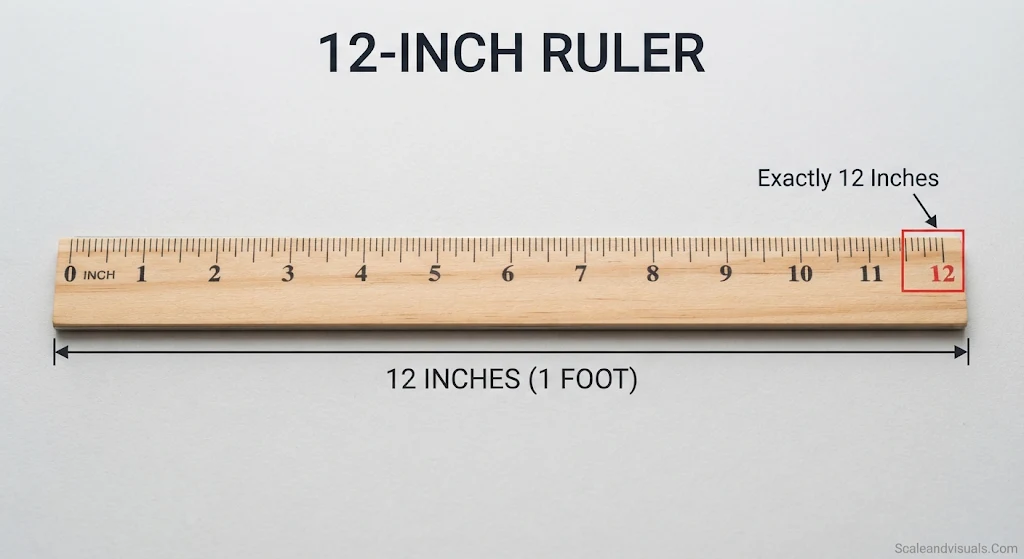
Standard ruler. Many school and office rulers run exactly 12 inches. It is the best 12 inches example you can find.
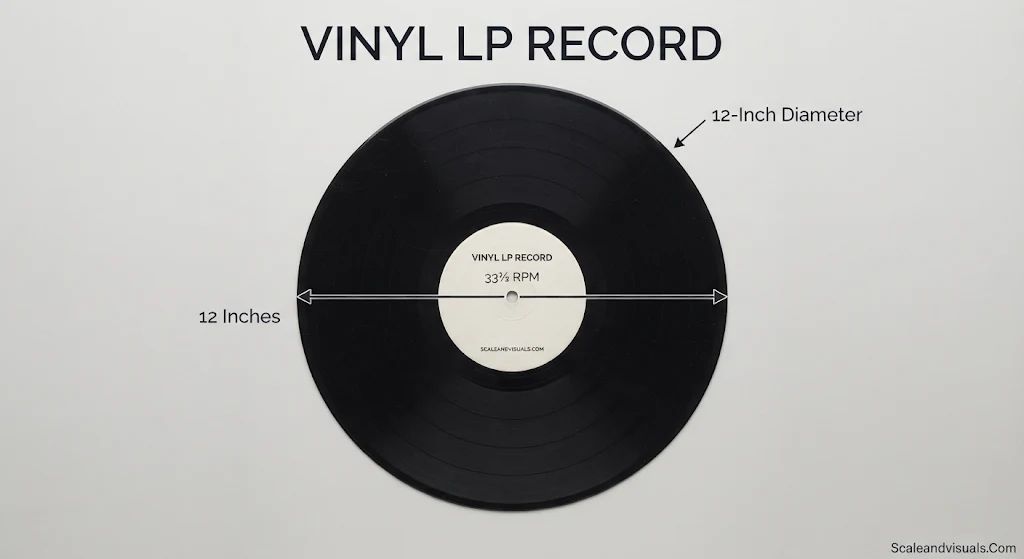
Vinyl LP record. An LP is 12 inches across. Columbia launched the 12-inch LP, spinning at 33⅓ rpm, in 1948, says the Library of Congress.
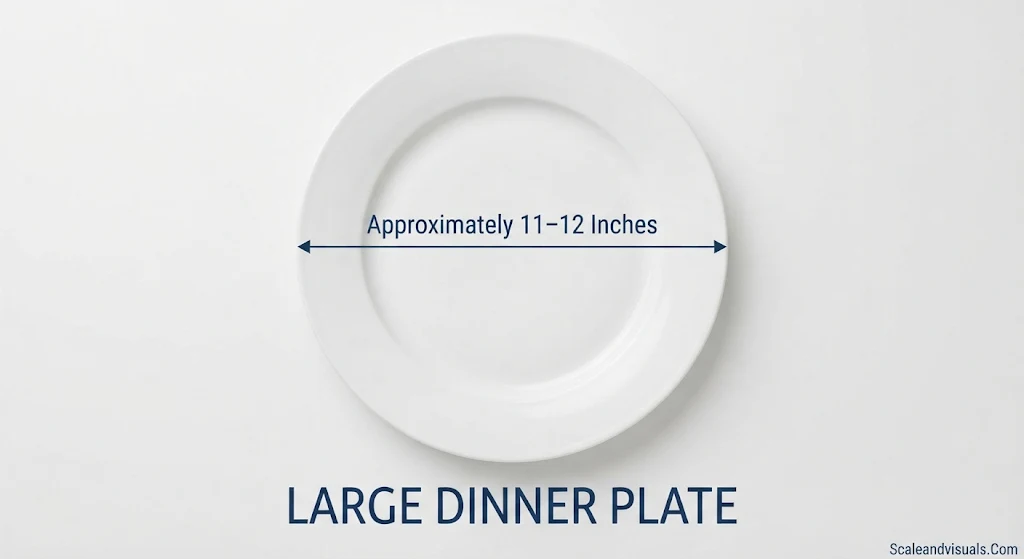
Large dinner plate or charger. Many large plates measure about 11 to 12 inches. Measure straight across the rim.
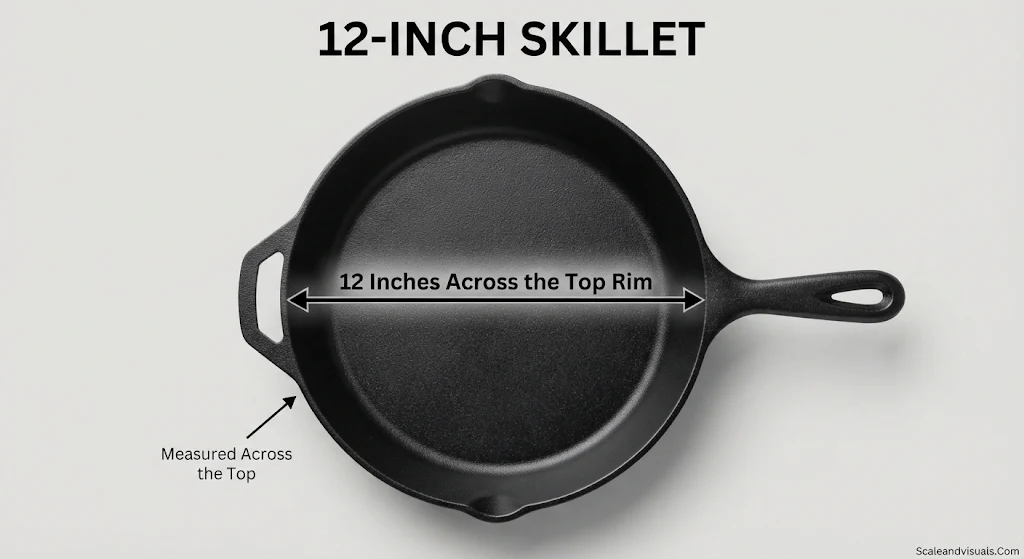
12-inch skillet. This is a very common pan size. The size is usually listed across the top rim, so the cooking surface is a bit smaller.
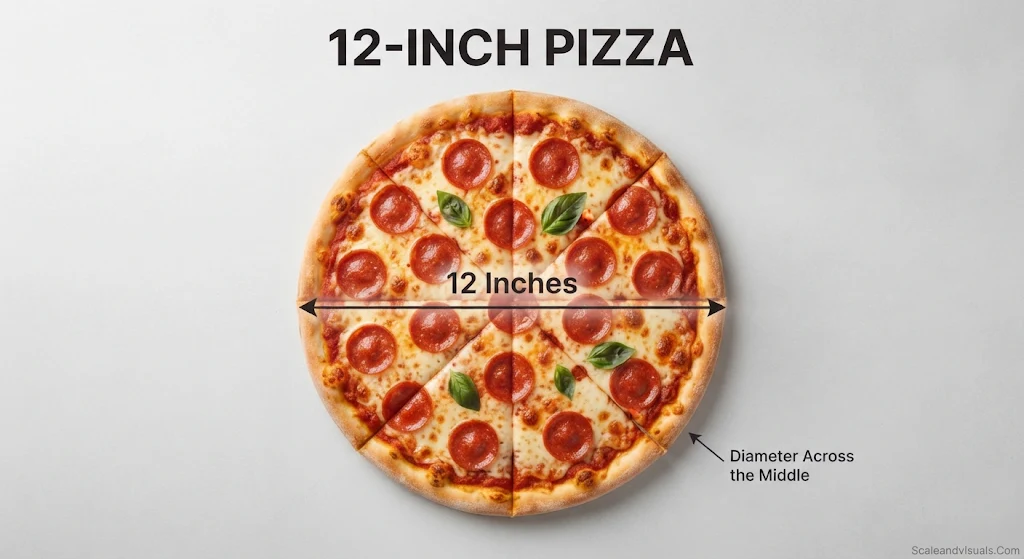
12-inch pizza. Many pizza shops sell a 12-inch pie. Measure across the middle.
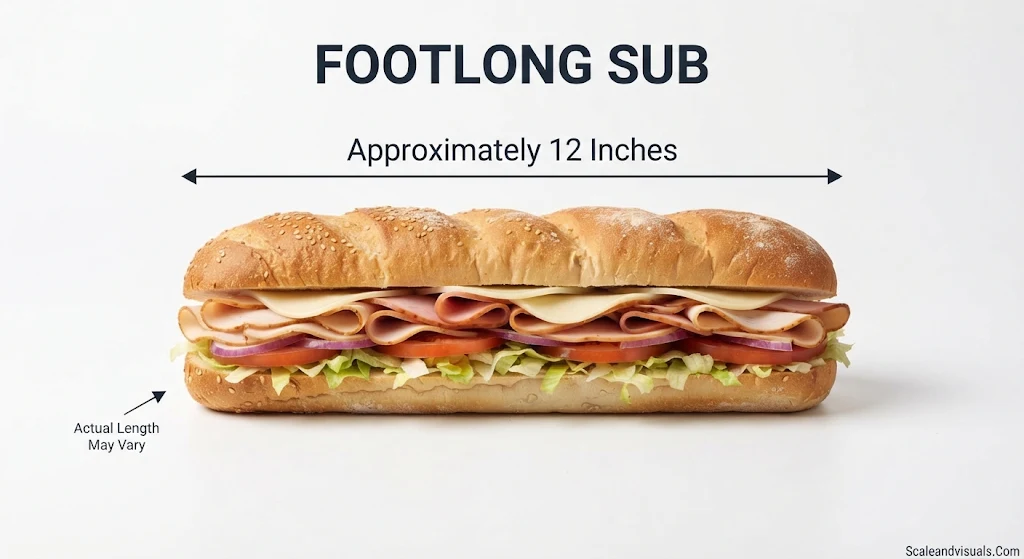
Footlong sub. The name says a foot. Real lengths can vary a little, so treat it as close.
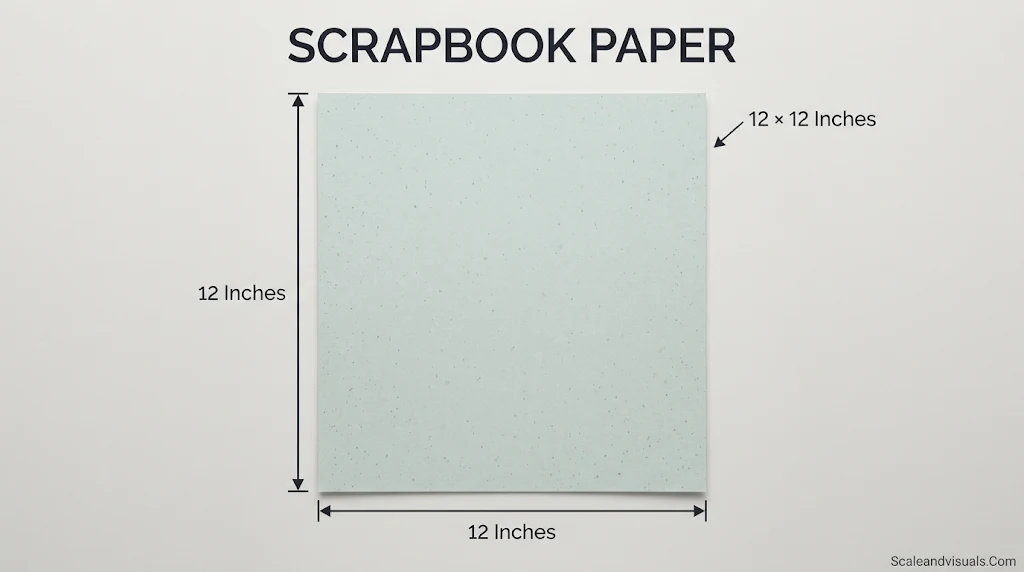
12×12 scrapbook paper. This is the standard craft sheet. It is 12 inches on every side.
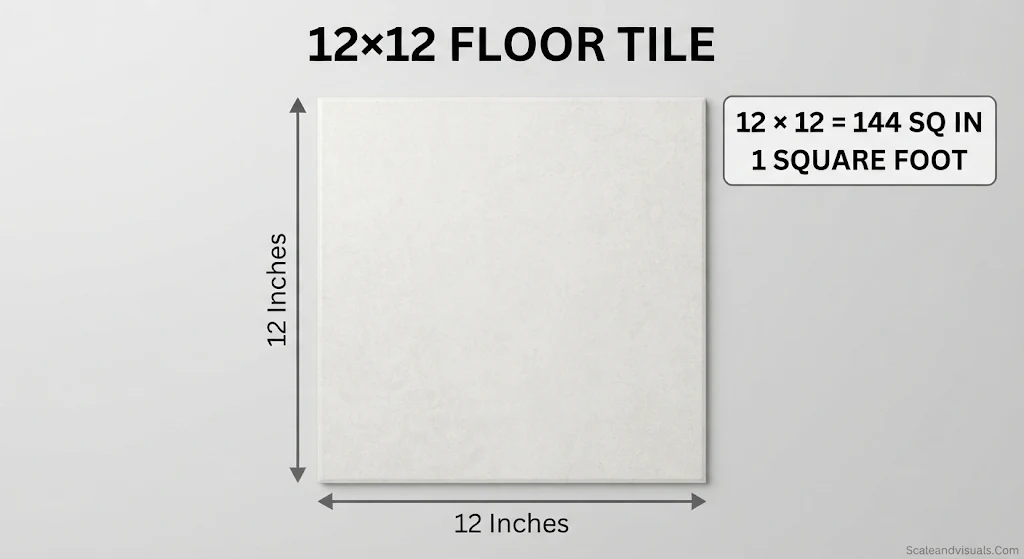
12×12 floor tile. One tile equals 144 square inches, which is exactly 1 square foot.
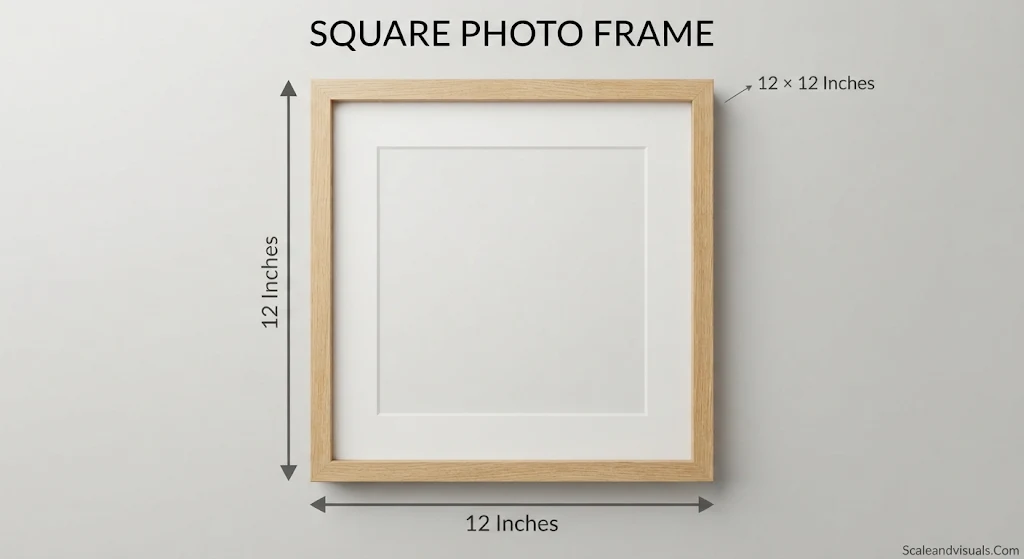
Square photo frame. A 12×12 frame is a common decor size. Its sides give you two clean feet.
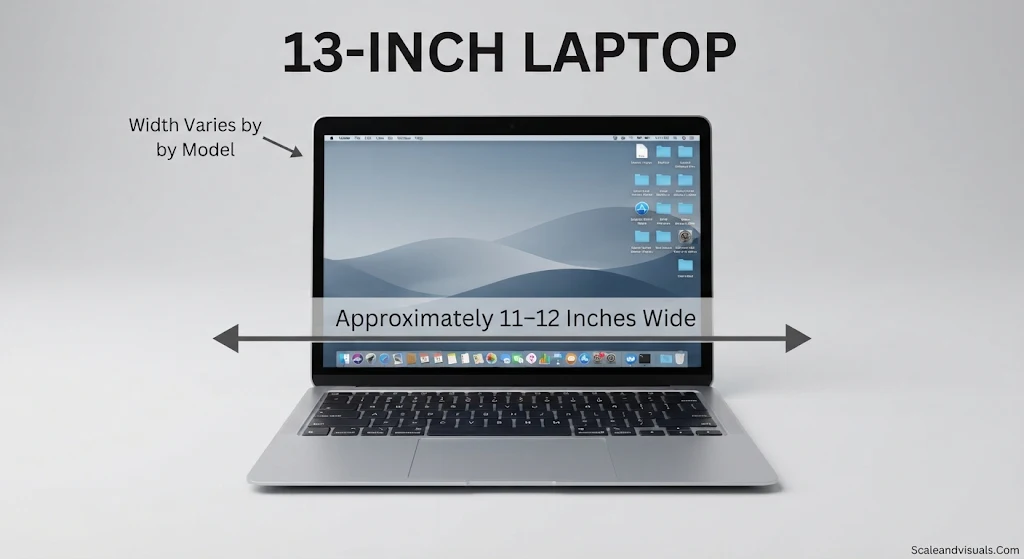
12-inch laptop. Many are about 11 to 12 inches wide. Lay a ruler on yours to check.
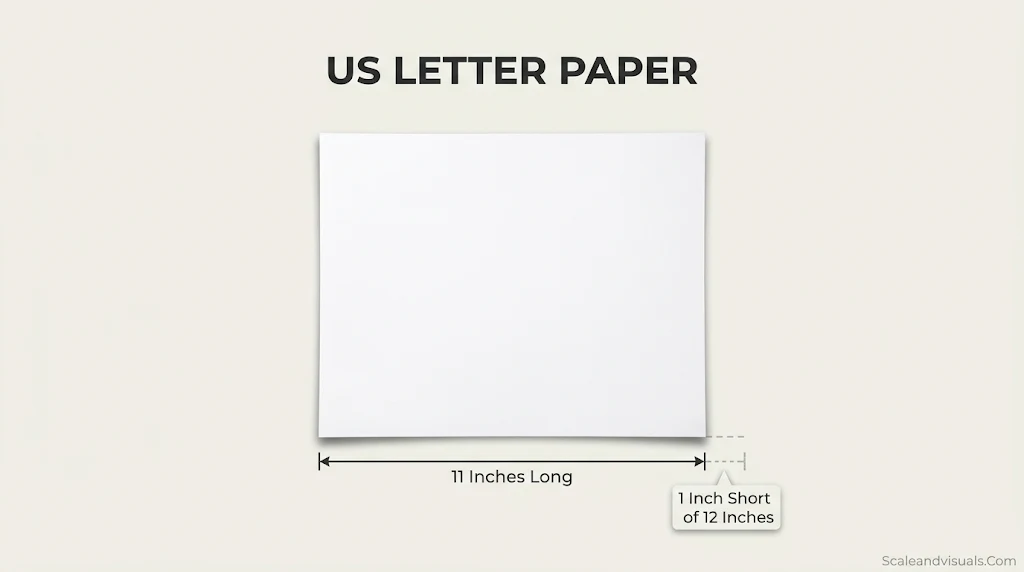
US Letter paper. The long side is 11 inches, which is one inch short. ANSI set 8.5 x 11 as a standard in 1921. Add a thumb width and you are near 12.
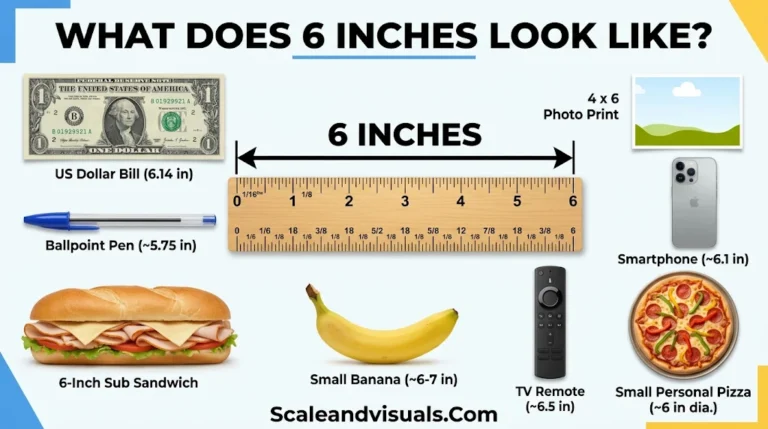
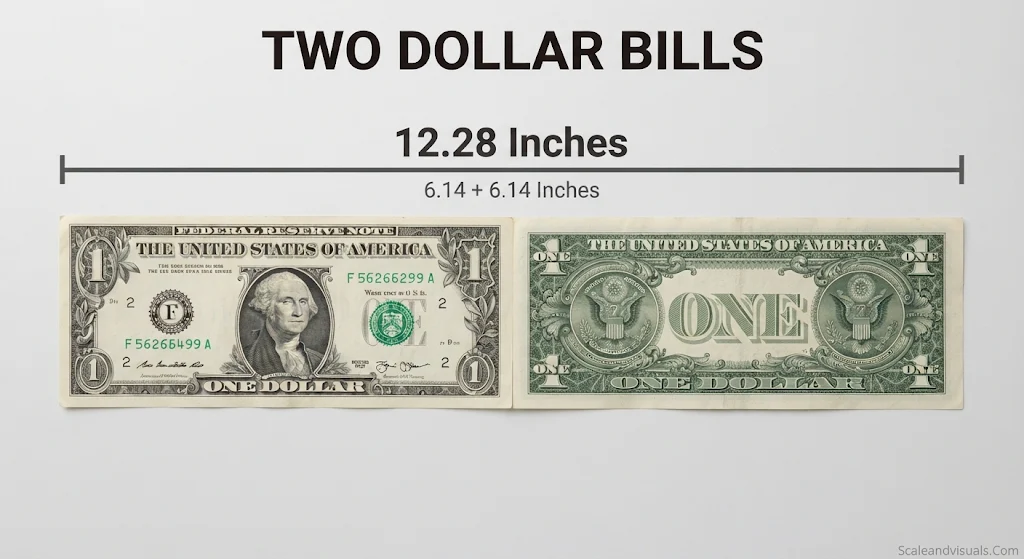
Two dollar bills. Each bill is 6.14 inches long, per U.S. Currency Education Program. Two bills end to end measure 12.28 inches.
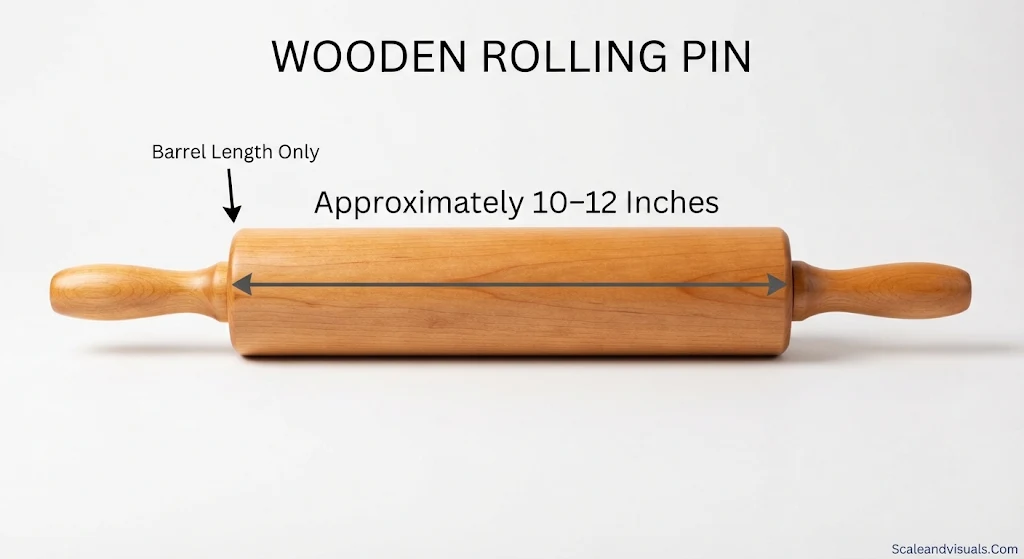
Rolling pin. Many barrels are near 10 to 12 inches, not counting handles.
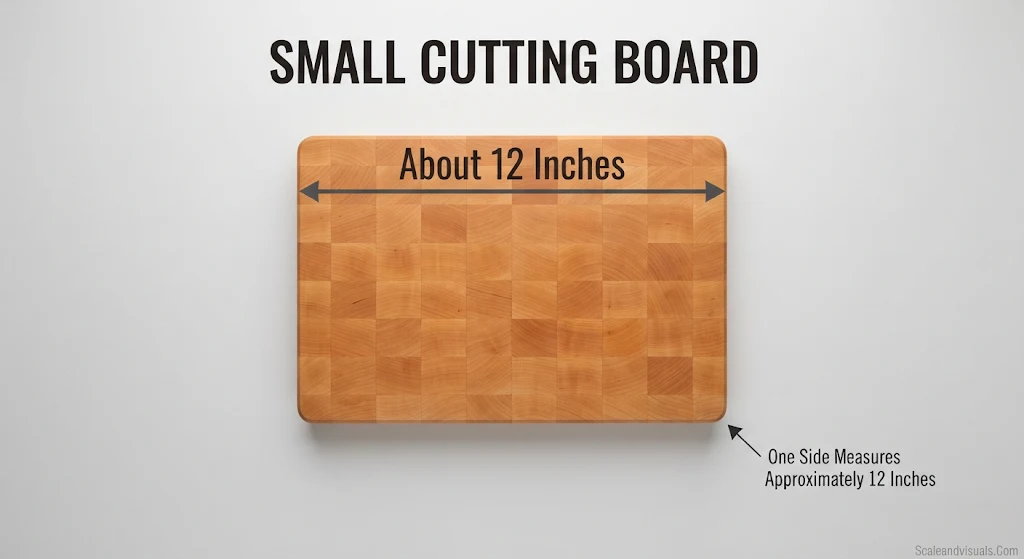
Small cutting board. Some boards are about 12 inches on one side. Check the label or measure yours.
Shoebox. Many adult shoeboxes are about 12 inches long or a little more. Use the short side with care.

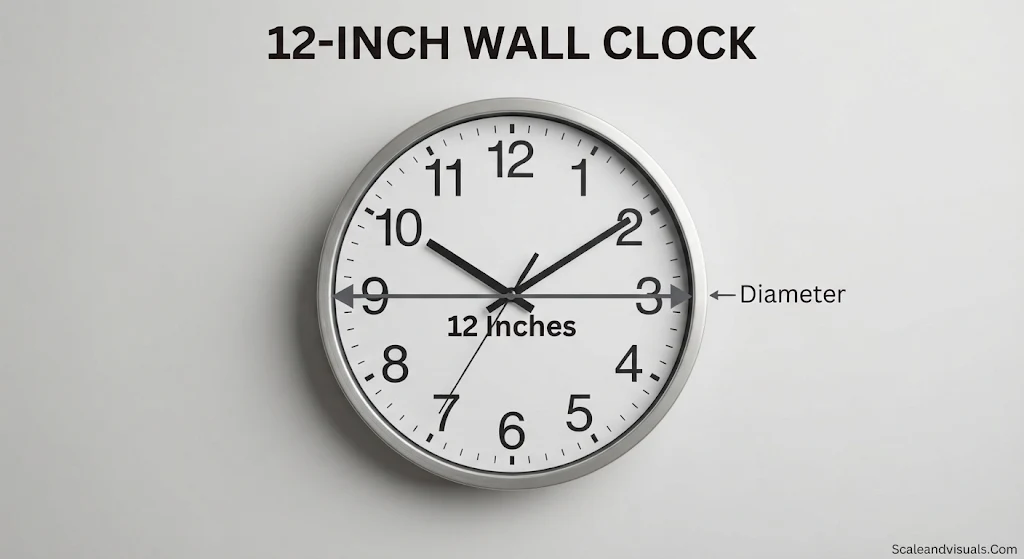
Round wall clock. A 12-inch wall clock is a common size. It is easy to spot on any wall.
How to Visualize 12 Inches Without a Ruler
You do not need a tape measure to guess a foot. A few quick checks work well. Bodies differ, so test each trick once and remember your own numbers.
Use your body. Measure your forearm from elbow to wrist. Then measure your hand span, thumb tip to pinky tip. Write both down. For many adults, the forearm is a little under 12 inches. Most adult feet are also shorter than 12 inches.
Use paper. Lay a sheet of Letter paper long side up. Add about one inch. That is 12 inches. A4 paper is 11.7 inches long, which is even closer.
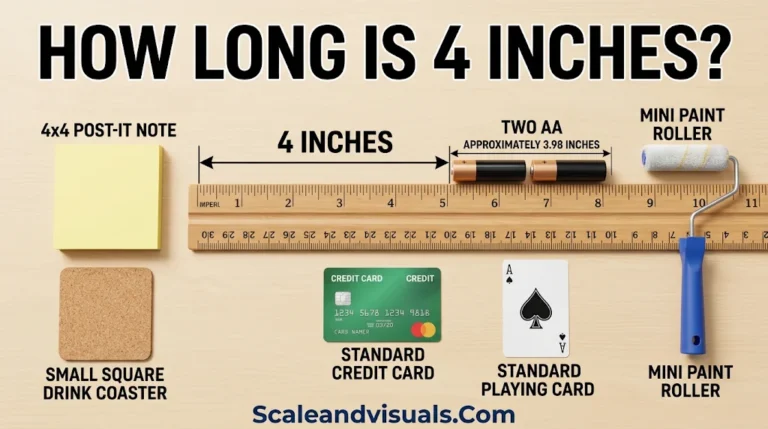
Use cash and cards. Two dollar bills make 12.28 inches. Three and a half credit cards end to end make about 11.8 inches, since one card is 3.37 inches long.
Use small items. A 12-inch zip tie is very common. So are 12 hockey pucks stacked flat, since a puck is 1 inch thick.
Know the human scale. How big is 12 inches to a human? For someone who is 6 feet tall, it is one-sixth of their height.
Watch out for three common mistakes:
- Mixing up inches and centimeters. 12 cm is only about 4.7 inches.
- Reading a pan or plate size from the wrong spot, such as the rim or the base.
- Measuring the wrong side. Length, width, and height are not the same.
This skill helps when you shop online, hang a shelf, buy tile, pack a box, or plan a craft.
FAQs
What body part is 12 inches long?
No body part is exactly 12 inches for everyone. For many adults, the forearm, from elbow to wrist, comes close. Most adult feet are a bit shorter.
What is an example of 12 inches?
A standard ruler is the best example. A vinyl LP record and a 12×12 floor tile are also exactly 12 inches across.
How big is 12 inches to a human?
It is one foot. That is about one-sixth of the height of a person who is 6 feet tall. It is also close to the length of many adult forearms.
How to visualize 12 inches?
Picture a ruler, a vinyl record, or a large dinner plate. You can also lay down a sheet of US Letter paper and add one inch.
Is 2 fingers an inch?
Not quite. Two adult finger widths are usually closer to 1.5 inches. The width of a thumb at the knuckle is closer to 1 inch. Both are rough guides.
What household object is 12 inches?
A ruler, a 12-inch skillet, a vinyl record, a 12×12 tile, and a 12-inch wall clock are all good picks.
Conclusion
12 inches is one foot, or 30.48 cm. Once you link it to a ruler, a record, or a floor tile, it becomes easy to picture. Use the paper, cash, and body tricks when no tape measure is nearby. Next time you see “12 inches” online or in a plan, you will know exactly how big it is.

Abroy Usman is a passionate digital content creator and visual enthusiast dedicated to making complex ideas easier to understand through clear, engaging, and visually appealing content. As an author at Scale & Visuals, he focuses on sharing practical insights, creative ideas, and useful information designed to help readers learn, grow, and make better digital decisions.